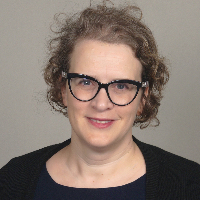
About Jillian
Dr. Jillian Graves is a licensed social worker with a focus on stress and anxiety among other concerns. She brings 21 years of experience helping people manage mood struggles, trauma, anger, addictions, grief, and challenges around parenting, self-esteem, career, bipolar disorder, and depression.
Jillian practices in Michigan and offers services in English to clients both inside and outside the United States. She trained with a Master of Social Work from Smith College and completed a Ph.D. in social work at Bryn Mawr.
Background and approach
Her dissertation looked at siblings aged 18 to 29 who have a brother or sister with schizophrenia. That research informs her interest in emerging adult development and the ways family histories shape present difficulties. Her style is collaborative and relationship-centered.
She places importance on building trust and clear communication, then helps people set realistic goals and work toward them step by step. Sessions often include talking through personal history, improving communication, and finding practical ways to manage symptoms. Jillian describes her approach as eclectic and evidence-based.
She draws on psychodynamic ideas including attachment theory, Rational Emotive Behavioral Therapy, solution-focused techniques, and narrative work to tailor care to each person. She aims to offer insight alongside concrete strategies. Beginning therapy can feel hard, and she focuses on guiding people through that start.
To begin, a short matching questionnaire and scheduling follow the Start Therapy button on the site.
How therapeutic approaches work online
Psychodynamic and attachment-informed approaches focus on patterns in relationships and early experiences. In sessions this often means talking about how past relationships shape current feelings and interactions, which can help with anxiety, mood, and relationship struggles.Rational Emotive Behavioral Therapy (REBT) looks at unhelpful beliefs that drive strong emotions and behaviors. A therapist helps identify those thoughts and practices different ways of thinking, which can reduce anxiety and anger over time.
Solution-focused and narrative techniques emphasize practical steps and the stories people tell about themselves. These methods help set concrete goals, highlight strengths, and rewrite unhelpful personal narratives to support change.
Finding the right approach is part of the work. The therapist will collaborate with each person to decide which methods fit their needs, goals, and preferences. That may mean combining ideas and trying different techniques as therapy progresses.
Online therapy offers flexible ways to meet. Video calls allow face-to-face conversation when a deeper connection is helpful. Phone sessions work when bandwidth is limited or a shorter check-in fits a break at work. Live chat and text-based messaging make it easier to share brief updates, process thoughts between sessions, or check in on progress without scheduling a full appointment.
Questions people ask
What concerns does she help with?
What is her therapeutic style?
How much experience does she have?
What credentials and location are listed?
Are sessions offered in other languages or internationally?
Which session formats are available?
How is cost handled?
What do I need to do to get started?
What this therapist works with
Most often
- Stress, Anxiety
- Family conflicts
- Trauma and abuse
Also listed
- Addictions
- Anger management
- Bipolar disorder
- Career difficulties
- Depression
- Grief
- Parenting issues
- Self esteem
- Experience
- 21 years
- Licensed
- Michigan
- Languages
- English
We will earn a commission if you sign up through our link, at no cost to you.