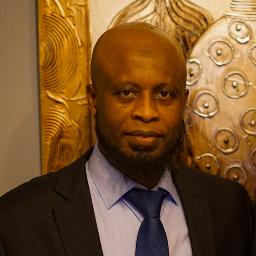
About Ibrahim
Dr Ibrahim Ndabavunye helps people who are struggling with stress and anxiety find steady ways forward. He is a HCPC-registered clinician with 17 years of experience in mental health across public and personal settings in the United Kingdom. He speaks English and French and works with people from diverse cultural backgrounds.
He offers straightforward, patient-centred conversations to clarify what feels most pressing. Sessions focus on practical steps people can try between meetings, and on building skills to manage emotions, sleep, eating and day-to-day pressures.
Background and approach
He adapts his approach so therapy fits the person rather than the other way around. Dr Ndabavunye draws on cognitive behavioural techniques to help challenge unhelpful thoughts and develop new behaviours. He also uses Acceptance and Commitment Therapy to help people live in line with their values even when discomfort remains.
Attachment-based ideas guide work on relationship patterns and intimacy-related difficulties. People who come with trauma, grief or anger will find a calm, steady approach that combines short-term tools and longer-term patterns work. He pays attention to multicultural concerns and how culture affects coping and family life.
Sessions are offered by video call, phone, live chat or text-based messaging to suit different schedules. International clients may also be supported. To begin, people complete a short matching questionnaire and arrange sessions through the service.
How therapeutic approaches translate to online sessions
Dr Ndabavunye commonly uses Cognitive Behavioral Therapy (CBT) and Acceptance and Commitment Therapy (ACT) in his work. CBT focuses on identifying unhelpful thoughts and testing them against real-life evidence, which can help reduce anxiety, low mood and disruptive behaviours. ACT helps people accept difficult feelings while taking steps that match their values, which can be useful for stress, worry and life transitions.Choosing the right approach is part of the process. He works collaboratively to decide which methods suit a person’s situation and goals. That means starting with a conversation about what is most troubling, trying practical tools, and adjusting the plan as progress is tracked.
Online formats offer flexibility for different routines and needs. Video calls are useful for a fuller conversational session and visual cues. Phone sessions can be a good shorter check-in when screen time is limited. Live chat and text-based messaging give an option for brief reflections, ongoing support between appointments, or when someone prefers not to be on camera. These options make it easier to fit therapy into work, family life and changing schedules.
Questions people ask
What concerns does this counsellor help with?
How would sessions feel in style and tone?
What is his professional background?
What credentials and location are listed?
Which languages are supported for therapy?
Which session formats are available?
How are fees and payment handled?
What should I do to start therapy?
What this therapist works with
Most often
- Stress, Anxiety
- Trauma and abuse
- Anger management
Also listed
- ADHD
- Career difficulties
- Compassion fatigue
- Coping with life changes
- Depression
- Eating disorders
- Family conflicts
- Grief
- Intimacy-related issues
- Multicultural concerns
- Relationship issues
- Self esteem
- Sleeping disorders
Therapeutic approaches
- Experience
- 17 years
- Licensed
- Languages
- English, French
We will earn a commission if you sign up through our link, at no cost to you.