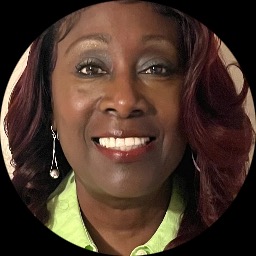
About Glinda
Glinda O'Neill is a licensed clinical social worker with 22 years of experience helping people facing stress and anxiety. She also supports concerns around relationships, family strain, low self-esteem, and mood difficulties. Her approach is straightforward and respectful, focused on practical steps that fit each person's life.
She listens first and adapts conversations to each person's needs. Sessions aim to identify manageable changes and build skills for dealing with worry, sadness, and relationship friction.
Background and approach
Glinda uses plain language and gives concrete tools people can try between sessions. Her experience includes working with caregiver stress, attachment concerns, communication problems, and the fallout from divorce or separation. She also helps people process guilt, shame, isolation, and control issues.
These topics often show up together, and she helps people untangle what matters most to them. Glinda describes the work as collaborative. She and the client set goals together and revise them as progress is made.
Small steps and steady practice are a common focus rather than quick fixes. She is licensed in Virginia as an LCSW - Licensed Clinical Social Worker. Glinda offers sessions that match a client’s pace and comfort level.
Her tone is compassionate but direct, aimed at helping people move toward a more satisfying everyday life.
How her approaches translate to online therapy
Glinda works with evidence-based therapeutic techniques that focus on skills and real-life change. One common approach she uses teaches practical coping skills for anxiety and stress - breathing and grounding exercises, activity scheduling, and steps to reduce avoidance so worry feels more manageable. Another focus is on communication and relationship skills - learning clearer ways to state needs, set boundaries, and repair misunderstandings to ease tension in close relationships.Finding the right approach is a collaborative process. She will talk with each person about goals and preferences, then try techniques that fit the situation. Treatment plans are adjusted over time based on what helps most, so clients are active partners in choosing methods that feel useful.
Online formats include video calls, phone sessions, live chat, and text-based messaging. Video calls let people work face-to-face from different locations. Phone sessions can be simpler when video is not needed. Live chat and messaging work well for shorter check-ins, skill practice, and writing through thoughts when that feels easier. These options make it easier to fit therapy into a busy life and to use the approach that matches each person’s routine and needs.
Questions people ask
What kinds of problems does she help with?
How would you describe her therapeutic style?
How much experience does she have working in this field?
What are her credentials and where is she based?
Which languages are offered and can international clients connect?
What formats are available for sessions?
How does payment and cost work?
How do I start working with her?
What this therapist works with
Most often
- Stress, Anxiety
- Relationship issues
- Family conflicts
Also listed
- Experience
- 22 years
- Licensed
- Virginia
- Languages
- English
We will earn a commission if you sign up through our link, at no cost to you.