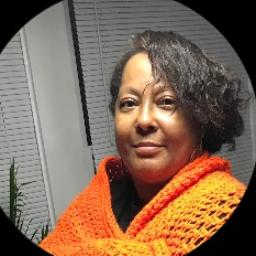
About Felicia
Felicia Muhammad is an Illinois licensed clinical professional counselor (LCPC) with 11 years of experience helping people manage stress and anxiety. She focuses on practical steps clients can use day to day. Her style is calm and respectful, and she aims to meet people where they are.
She works with concerns such as relationship strain, family conflict, trauma and abuse, and depression. She also supports people dealing with communication problems, post-traumatic stress, low self-love, social anxiety or phobia, and workplace issues.
Background and approach
Sessions are tailored to each person's situation and goals. Felicia shapes the conversation and the plan to fit what matters most to the client. She listens for strengths and builds on what is already working.
Together, she and the client set clear, manageable steps to reduce symptoms and improve daily functioning. Taking the first step can feel hard. Felicia offers steady support while clients try new skills and notice progress.
She emphasizes respect, sensitivity, and compassion throughout the process. Her practice emphasizes practical strategies and real-world problem solving. People leave sessions with concrete tools to try between meetings and a clearer sense of next steps.
Evidence-based approaches and online care
Felicia uses evidence-based therapeutic techniques that focus on practical change. Cognitive-behavioral approaches help people identify unhelpful thoughts and test new ways of thinking and behaving; this can reduce anxiety and improve daily functioning. Trauma-informed methods pay close attention to safety and pacing while addressing the impact of past traumatic events on current life and relationships.Choosing the right approach is a collaborative process. She will talk with each person about symptoms, goals, and preferences, then try methods that fit the situation. Adjustments are made as needed so the plan stays useful and realistic.
Online sessions are offered by video call, phone, live chat, or text-based messaging to increase flexibility. Video calls allow face-to-face conversation and visual cues. Phone sessions can be easier when bandwidth is limited or when someone prefers not to be on camera. Live chat and text-based messaging offer brief check-ins and written reflections between scheduled appointments. These options help people fit therapy into busy lives and keep momentum between sessions.
Questions people ask
What kinds of concerns does she work with?
What is her therapeutic approach and style?
How much experience does she have?
What are her credentials and where is she located?
Which languages are sessions offered in?
What session formats are available?
How does payment and cost work?
How do I begin working with her?
What this therapist works with
Most often
- Stress, Anxiety
- Relationship issues
- Family conflicts
Also listed
- Experience
- 11 years
- Licensed
- Illinois
- Languages
- English
We will earn a commission if you sign up through our link, at no cost to you.