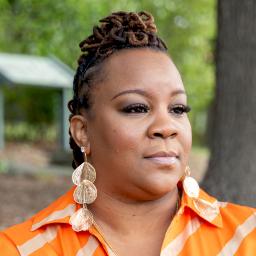
About Erika
Dr. Erika Drayton is a Maryland clinician who helps people facing stress and anxiety. She combines a calm presence with straightforward guidance so people can talk about what feels hard.
Erika holds an MD and is an LCSW-C and brings seven years of combined experience to her work. She creates a space where clients can say what they think and feel without judgment. Sessions focus on practical steps and small changes that can reduce overwhelming feelings.
Background and approach
Erika encourages achievable goals so progress feels realistic and steady. Her practice addresses a wide range of concerns including addictions, trauma and abuse, grief, low self-esteem, bipolar and depression, and coping with life changes. She also helps people untangle family problems, attachment issues, blended family challenges, and family of origin concerns.
Erika uses evidence-based therapeutic techniques to guide conversations and suggest strategies. She listens for patterns, offers tools to manage strong emotions, and helps clients build routines that support better days. The approach is collaborative and paced to each person’s needs.
People who choose her often want a practical plan as well as a supportive listener. She explains options clearly and helps clients decide what to try next. The goal is steady progress toward more manageable stress and clearer thinking.
Remote approaches and how they help
Drayton commonly uses evidence-based techniques that focus on changing unhelpful patterns and building coping skills. One approach emphasizes identifying troubling thoughts and testing them against real situations to reduce anxiety and depressive thinking. This helps people break cycles of worry and try clearer, calmer responses.Another technique centers on emotion regulation and behavioral change. It teaches practical tools for managing strong feelings, improving sleep and routine, and developing small habits that make daily life easier. These methods are useful for stress, addiction recovery, mood swings, and coping with loss or trauma.
Finding the right approach is a collaborative process. The therapist will talk with each person about goals, preferences, and what has or hasn’t worked before. From there she tailors strategies and checks in regularly to adjust the plan together.
Online therapy offers flexibility for busy schedules. Video calls allow face-to-face work when visual cues matter. Phone sessions are useful when video isn’t possible or bandwidth is limited. Live chat and text messages support shorter check-ins, tools between sessions, and ongoing accountability. These options make it easier to fit regular care into work, school, or family life while maintaining consistent progress.
Questions people ask
What kinds of concerns does she address?
What is her general style in therapy?
How much clinical experience does she have?
What credentials and location are listed?
Which languages are supported and can she see international clients?
In what formats are sessions offered?
How does payment and cost work?
What are the first steps to begin therapy?
What this therapist works with
Most often
Also listed
- Addictions
- Anger management
- Attachment issues
- Bipolar disorder
- Blended family issues
- Coping with life changes
- Depression
- Family conflicts
- Family of origin issues
- Family problems
- Grief
- Parenting issues
- Relationship issues
- Self esteem
- Trauma and abuse
- Experience
- 7 years
- Licensed
- Maryland
- Languages
- English
We will earn a commission if you sign up through our link, at no cost to you.