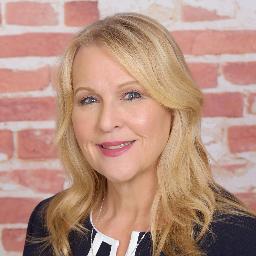
About Eileen
Eileen Banados is a licensed clinical social worker with 16 years of experience. She practices from Maryland and supports people dealing with stress, anxiety, relationship concerns, trauma and abuse, depression, and major life transitions. She helps people talk through what’s most pressing.
Sessions focus on listening, understanding patterns, and finding concrete steps to feel steadier day to day. Eileen aims to create a calm, nonjudgmental space so people can share hard thoughts and feelings.
Background and approach
Her background includes work across multiple states as a California, Nevada, and Maryland LCSW. That experience shaped a practical approach to anxiety, panic, and post-traumatic stress. She brings 16 years of clinical practice to conversations about coping and recovery.
Common issues she addresses include panic attacks, social anxiety and phobias, guilt and shame, and the emotional fallout of divorce and separation. She guides people toward clearer ways to make decisions and manage symptoms that get in the way of daily life. Eileen emphasizes collaboration.
She works with each person to set small, realistic goals and to try tools that fit their routine. The focus is on steady progress, not quick fixes.
Approaches that help with anxiety and trauma online
Many clinicians use evidence-based techniques to reduce symptoms and build coping skills. Cognitive approaches focus on identifying unhelpful thoughts and testing them against real-world evidence; this helps with worry, social anxiety, and panic by changing thought patterns that fuel distress. Exposure-based approaches involve gradual, supported steps to face feared situations or memories so anxiety naturally decreases over time; this is often recommended for panic, phobia, and post-traumatic stress.Finding the right approach is a collaborative process. The therapist will talk with the person about goals, symptoms, and what feels manageable, then try methods together and adjust as needed. Sessions include feedback and small homework tasks so progress can be measured and adapted to a person’s life.
Online therapy formats include video calls, phone sessions, live chat, and text-based messaging, which make it easier to fit care into a busy schedule. Video calls let therapists use visual cues during conversation, phone sessions can work when bandwidth is limited, live chat is useful for brief check-ins, and messaging supports ongoing reflection between sessions. These options give flexibility while keeping focus on practical tools and steady progress.
Questions people ask
What concerns does she help with?
What is her therapy style like?
How much clinical experience does she have?
What credentials and location are listed?
Which languages are sessions offered in?
What session formats does she use?
How are costs handled?
How do I start working with her?
What this therapist works with
Most often
- Stress, Anxiety
- Relationship issues
- Trauma and abuse
Also listed
- Experience
- 16 years
- Licensed
- California, Maryland, Nevada
- Languages
- English
We will earn a commission if you sign up through our link, at no cost to you.