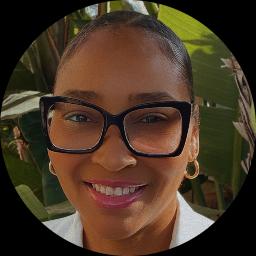
About Dynesha
Dynesha Crooks is a Licensed Clinical Social Worker (LCSW) practicing in California with 18 years of professional experience. She focuses on helping people manage stress and anxiety and supports those coping with grief and loss. She also helps clients with self-esteem, confidence, motivation, and career concerns.
Dynesha uses a respectful, sensitive, and compassionate style in sessions. She adapts conversations and care to each person’s needs rather than using a one-size-fits-all method.
Background and approach
She aims to create a space where people can speak honestly about what is hard for them. In the room she works through practical steps to reduce anxiety and handle life changes. She helps people identify small, realistic goals and build skills to reach them.
For grief and loss she offers steady support and guidance as people adjust to new routines and feelings. She also addresses communication problems, guilt and shame, and feelings of isolation or loneliness. Career direction and questions about life purpose are part of her work when clients bring them up.
Forgiveness and self-love are explored in simple, actionable ways. Sessions are tailored to the individual. Dynesha encourages gradual progress and uses straightforward language so clients can use what they learn outside of sessions.
She acknowledges that starting therapy takes courage and aims to make each step feel manageable.
Approaches and online care for anxiety and life change
Dynesha uses evidence-based therapeutic techniques that focus on clear, practical work. One common approach she uses helps people learn skills to manage anxious thoughts and reduce physical tension; sessions teach steps to notice anxiety, try small exposures, and practice calming strategies. Another approach emphasizes building routine and meaningful goals to counter low motivation and improve confidence; this involves setting small, achievable tasks and tracking progress to rebuild momentum.Finding the right approach is a joint process. She will talk with each person about their goals, preferences, and what has or has not worked before. Together they adjust methods over time so the plan fits the person and the situation rather than forcing a single method on everyone.
Online therapy options include video calls, phone sessions, live chat, or text-based messaging. Video calls allow face-to-face conversation and visual cues. Phone sessions can be easier when bandwidth or camera use is an issue. Live chat and text messaging work well for short check-ins, on-the-go practice, or quick reflections between sessions. These formats make it easier to fit therapy into work, school, or caregiving schedules and to keep momentum between appointments.
Questions people ask
What concerns does this therapist help with?
What is her therapeutic style like?
How much clinical experience does she have?
What are her credentials and where is she based?
Which languages are supported and can international clients be seen?
What session formats are available?
How does pricing work?
How do I begin working with this therapist?
What this therapist works with
Most often
Also listed
- Experience
- 18 years
- Licensed
- California
- Languages
- English
We will earn a commission if you sign up through our link, at no cost to you.