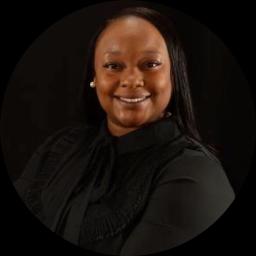
About Dishema
Dishema Shuler is a licensed clinical social worker with 15 years of experience who helps people coping with stress, anxiety, depression, trauma, and life transitions. She writes and speaks about the links between mental and physical health. Her manner is straightforward and relatable, aimed at people who want practical change and steadier day-to-day functioning.
She uses a range of evidence-based techniques in sessions. That includes cognitive behavioral methods and trauma-focused approaches to reduce overwhelming symptoms.
Background and approach
She also draws on play-based strategies when working with children and on structured family methods when parents request support for parenting or relationship patterns. Sessions focus on identifying small, workable changes. She helps people break cycles that keep problems stuck and build new habits that fit real life.
She also offers guidance for caregivers managing stress and for people wrestling with isolation, communication problems, or a search for life purpose. Her background includes advocacy work for children in educational settings and collaborating with medical professionals on panels about health and mental wellness. This experience informs practical treatment steps and resource-focused planning.
Dishema holds an LCSW - Licensed Clinical Social Worker - in North Carolina. She offers help through multiple online formats and tailors each plan to the client’s daily routines and goals.
Evidence-based approaches for online care
Dishema commonly uses cognitive behavioral methods that help people identify unhelpful thoughts and test new behaviors. These techniques are useful for anxiety, panic attacks, mood concerns, and everyday stress. She also employs trauma-focused cognitive behavioral strategies that gently address traumatic memories and the reactions they create, aimed at reducing distress and improving coping.When children or caregivers are involved, she may incorporate play-based strategies or structured family methods to change interaction patterns and teach practical skills. Choosing the right mix of approaches is a collaborative process; she works with each person to match techniques to their goals, needs, and comfort level rather than sticking to a single method.
Online therapy offers flexible ways to meet. Video calls let the therapist and client talk face to face, which is useful for more interactive work. Phone sessions can fit a quick check-in or be easier when bandwidth is limited. Live chat and text-based messaging work for brief updates, coaching between sessions, or when written reflection feels most helpful. These options make it simpler to fit therapy into busy schedules and to continue care when in-person visits aren’t practical.
Questions people ask
What kinds of concerns does she address?
How would you describe the therapy style?
What is her clinical background?
Where is she licensed and located?
Which languages are supported for sessions?
Can people outside the U.S. work with her?
What session formats are available?
How does the cost and start process work?
What this therapist works with
Also listed
- Experience
- 15 years
- Licensed
- North Carolina
- Languages
- English
We will earn a commission if you sign up through our link, at no cost to you.