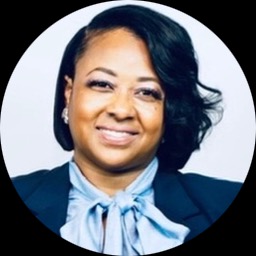
About Chenetta
Chenetta Kirksey is a Licensed Professional Counselor who helps people manage stress, anxiety, depression, and the fallout from trauma and abuse. She brings 13 years of clinical experience and focuses on practical steps clients can use right away. Chenetta emphasizes self-love, better communication, and healing from shame and isolation.
She centers treatment on each person's story, listening first to understand current struggles and strengths. Sessions move at a steady, practical pace - identifying upsetting patterns, trying new coping skills, and tracking what changes feel useful.
Background and approach
The aim is to build everyday tools that reduce anxiety and make life transitions easier. Chenetta supports work on social anxiety and phobia by breaking down feared situations into manageable steps. She also helps people sort mixed feelings about forgiveness, guilt, and shame so those emotions take up less space.
Communication problems are handled with skill-building exercises that focus on clearer expression and healthier boundaries. Her work with trauma emphasizes safety and pacing so people can process difficult memories without becoming overwhelmed. For those facing life changes, sessions include planning and problem solving to restore a sense of control.
Chenetta uses evidence-based therapeutic techniques to guide these efforts and tailors them to what each person needs. People who choose her practice can expect a collaborative working relationship. She believes therapy should feel like a steady partnership focused on small, meaningful shifts that add up over time.
How evidence-based approaches translate to online care
Chenetta uses evidence-based therapeutic techniques that focus on practical skill building and paced processing. One common approach teaches coping skills for anxiety and stress - clients learn breathing, grounding, and stepwise exposure strategies to face feared situations. These techniques are useful for social anxiety, phobia, and everyday panic or worry.Another emphasis is trauma-informed pacing, which helps people process difficult memories without being overwhelmed. Work looks at safety, titration of emotion, and building resources before tackling painful material. These methods help when trauma or abuse contributes to depression, shame, or isolation.
Choosing the right approach is a collaborative process. The therapist will discuss goals, try methods that fit the client's needs, and adjust based on what works. That way clients take an active role in deciding how therapy proceeds.
Online sessions offer flexible ways to connect. Video calls allow face-to-face interaction for skill teaching and role-play. Phone sessions can be a simpler option when bandwidth is limited or a shorter check-in is needed. Live chat and text-based messaging suit quick updates, brief coaching, or people who prefer writing over talking. These formats make it easier to fit therapy into busy schedules and to continue care when in-person visits are not practical.
Questions people ask
What concerns does she commonly address?
What is her therapeutic style like?
How much experience does she have?
What credentials and where is she based?
Which languages are offered for sessions?
What session formats are available?
How do fees and payment work?
How do I begin working with her?
What this therapist works with
Also listed
- Experience
- 13 years
- Licensed
- Texas
- Languages
- English
We will earn a commission if you sign up through our link, at no cost to you.