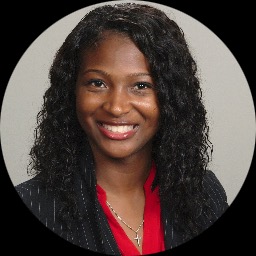
About Chasity
Chasity Chambliss is a licensed mental health clinician with 11 years of professional experience. She holds LMHC and LPC credentials and practices in Virginia. She focuses on helping people who are feeling overwhelmed by stress, anxiety, depression, grief, or major life changes.
She emphasizes that each person knows their own story and brings strengths into the work. Sessions are collaborative and practical. Chasity aims to support people as they take steps toward a more satisfying life and greater confidence.
Background and approach
In sessions she talks through present concerns and helps clients build skills to cope with anxiety and stress. She also helps people manage grief, improve self-esteem, and find purpose after difficult transitions. Conversations are direct and geared toward real-world change.
Chasity works with feelings like guilt, shame, and isolation, and offers guidance on forgiveness and self-love. She helps people set manageable goals and practice new responses to old patterns. The focus is on steady progress rather than quick fixes.
Her background includes over a decade of client work across settings, which informs a flexible style. She encourages questions about the process and tailors sessions so they fit day-to-day life. People who want a practical, encouraging approach often find this style helpful.
Therapeutic approaches and online care that fit your life
Chasity uses evidence-based therapeutic techniques that focus on practical change. One common approach helps people learn coping skills for anxiety and stress, teaching breathing, grounding, and everyday routines that reduce overwhelm. Another approach concentrates on processing grief and loss through guided conversation and tasks that honor feelings while restoring daily functioning.Choosing the right way of working is part of the process. The therapist will listen to your goals, discuss different techniques, and together decide which methods feel most useful. That collaborative planning means the approach can change as needs and preferences evolve.
Online sessions are offered as video calls, phone sessions, live chat, or text-based messaging to make therapy more flexible. Video calls allow face-to-face conversation when you want direct interaction. Phone sessions are useful when bandwidth is limited or when you prefer not to use video. Live chat or text messaging can be helpful for brief check-ins, reflections between sessions, or when a quick touchpoint fits your schedule. These formats help fit therapy into busy lives and support steady progress over time.
Questions people ask
What concerns does she help with?
What is her therapy style like?
How long has she been practicing?
What credentials and region are listed?
Can I work with her if I live outside the United States?
What session formats are available?
How does cost work for sessions?
How do I begin if I want to work together?
What this therapist works with
Most often
Also listed
- Experience
- 11 years
- Licensed
- Florida, Virginia
- Languages
- English
We will earn a commission if you sign up through our link, at no cost to you.