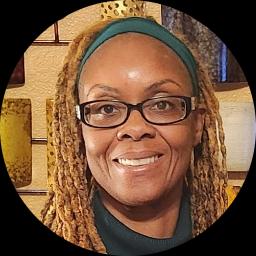
About Charesse
Charesse Branch is a Licensed Clinical Social Worker who helps people facing anxiety and other stressful life challenges. She works to create a respectful, compassionate space where clients can talk about what’s bothering them and try practical ways forward. She frames sessions around each person’s needs and moves at a pace that feels manageable.
Branch draws on a background in social work and six years of clinical practice in California.
Background and approach
She has experience addressing family conflict, trauma and abuse, grief and loss, anger, addiction concerns, relationship struggles, parenting stress, self-esteem, and broader coping with life changes. That range gives her practical perspective when situations feel overwhelming. In sessions she focuses on listening closely and tailoring conversations to the individual.
She aims to help people identify patterns, test new behaviors, and build small, achievable routines that reduce stress and worry. Mindfulness techniques are used to help ground emotions and bring attention back to the present. Her client-centered style means the person is the expert on their life and the work follows their goals.
She helps people set clear, reachable objectives and checks in frequently to adjust the plan. The approach is collaborative and down to earth. People seeking support for anxiety, parenting strain, grief, or recovery from past hurts can expect straightforward guidance and steady encouragement.
Branch positions the work as a partnership focused on practical steps, clearer thinking, and rebuilding confidence over time.
Approaches that guide online sessions
Client-Centered Therapy centers the person’s own goals and priorities. The therapist listens closely and follows what matters most to the client, shaping sessions around their needs and pace. This works well for people who want a collaborative, respectful process to solve everyday problems.Mindfulness Therapy teaches simple attention and breathing practices to reduce stress and reactivity. It helps people notice difficult thoughts or emotions without acting on them and is useful for anxiety, anger, and grief.
Finding the right approach is part of the work. The therapist will help figure out which methods fit a person’s goals, preferences, and situation. Sessions are adjusted over time so the plan stays helpful and realistic.
Online formats include video calls, phone sessions, live chat, and text-based messaging. Video allows face-to-face conversation and visual cues. Phone sessions work well when bandwidth is limited or a shorter check-in is needed. Live chat and messaging offer quick, flexible ways to touch base between sessions or when typing feels easier than speaking. These options make it simpler to fit therapy into busy schedules and varied routines.
Questions people ask
What kinds of concerns does she help with?
How would you describe her therapeutic style?
What is her clinical background?
Where is she based and what credential does she hold?
Which languages are offered for sessions?
Are sessions available to people outside the United States?
What formats are used for online sessions?
How does pricing and starting therapy work?
What this therapist works with
Most often
- Family conflicts
- Trauma and abuse
- Grief
Also listed
- Addictions
- Anger management
- Coping with life changes
- Parenting issues
- Relationship issues
- Self esteem
- Stress, Anxiety
Therapeutic approaches
- Experience
- 6 years
- Licensed
- California
- Languages
- English
We will earn a commission if you sign up through our link, at no cost to you.