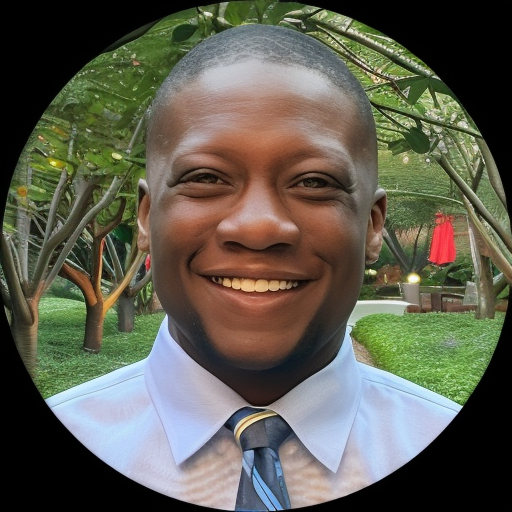
About Celes
Celes Smith is a Licensed Clinical Social Worker who centers work on the person in front of him. He focuses on helping people ease anxiety and stress, manage mood concerns such as depression and bipolar patterns, and process trauma and abuse. He also offers support around LGBT issues.
He brings eight years of clinical experience to each session. He begins by listening to what matters most to the client and then sets clear, practical goals together.
Background and approach
Sessions are tailored to each person's needs and use evidence-based therapeutic techniques in ways that fit their life. Conversations are straightforward and aimed at creating usable steps between appointments. Smith aims to make the therapy space calm and compassionate.
He works to build trust so people can talk honestly about painful or confusing experiences. That foundation helps people try new ways of coping and notice gradual change. In practice he looks at a person’s life broadly, not just a single symptom.
That can mean discussing relationships, daily routines, sleep, and stressors that make symptoms worse. Treatment plans evolve as progress is made and priorities shift. People who are curious about starting can expect a collaborative process.
He helps clients set realistic goals, track small wins, and adjust strategies when needed. The overall emphasis is on practical steps that reduce distress and improve day-to-day functioning.
Approaches that guide online sessions
He uses evidence-based techniques delivered in a person-centered way. One approach focuses on skills for managing anxiety and stress, teaching practical breathing, grounding, and coping strategies that can be used during difficult moments. These tools help reduce the immediate intensity of worry and make daily life more manageable.Another approach addresses trauma and abuse by helping people process upsetting memories at a comfortable pace and build stronger coping strategies. This work often includes learning ways to notice triggers, practice self-soothing, and change reactions that keep distress going.
Finding the right approach is part of the process. The therapist works collaboratively with each person to choose techniques that match their goals and preferences. Plans are adjusted over time based on what is helpful and what feels doable in day-to-day life.
Online formats include video calls, phone sessions, live chat, and text-based messaging. Video calls are useful for most therapeutic work and keep visual cues in place. Phone sessions can be a good option when bandwidth is limited or a quieter setup is needed. Live chat and messaging allow short check-ins, ongoing support between sessions, and flexibility for people who prefer typed communication.
Questions people ask
What kinds of concerns does this therapist help with?
How would you describe his therapeutic style?
What experience does he bring to sessions?
What credentials and location are listed?
Are sessions offered in other languages or internationally?
What session formats are available?
How does cost and billing work?
How do I begin working with him?
What this therapist works with
Most often
Also listed
- Bipolar disorder
- Depression
- Experience
- 8 years
- Licensed
- Kentucky, Indiana, Oklahoma
- Languages
- English
We will earn a commission if you sign up through our link, at no cost to you.