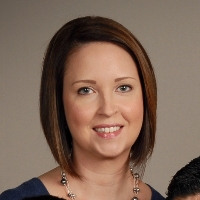
About Catherine
Catherine Flores is a licensed clinical social worker in Texas with 17 years of experience. She earned a Master of Social Work from Loyola University Chicago in 2001 and has spent her career helping people navigate hard moments. Her approach is warm and down-to-earth, focused on practical steps rather than jargon.
She works with people facing stress, anxiety, addiction, depression, trauma and abuse, and mood concerns such as bipolar disorder.
Background and approach
Catherine also helps with relationship strain, grief, sleep struggles, anger, self-esteem, career crossroads, parenting challenges, and major life changes. Sessions aim to identify patterns and build useful coping skills. Catherine’s counseling style is empathic and non-judgmental.
She creates space for honest conversation and helps people set realistic goals. Talk and feedback are combined with exercises people can practice between sessions. Her practice draws on evidence-based therapeutic techniques.
She adapts the work to fit each person’s needs and preferences, shaping conversations and plans so they feel relevant and doable. The focus is on small changes that add up over time. Outside of work she lives near Houston with her husband, her twin sons, and two Dachshunds.
She presents herself as approachable and practical, aiming to be a steady partner through difficult periods.
Evidence-informed approaches and online care
Many clients benefit from Cognitive Behavioral Therapy, which focuses on noticing unhelpful thoughts and replacing them with more useful ways of responding. CBT works well for anxiety, low mood, sleep problems, and many stress-related concerns.Motivational Interviewing helps people resolve mixed feelings about change by exploring values and building motivation one step at a time. This approach is often helpful for addiction, behavioral changes, and readiness to try new coping strategies.
Dialectical Behavior Therapy skills teach concrete strategies for managing strong emotions, improving distress tolerance, and handling difficult interpersonal moments. These skills can be useful for anger, relationship struggles, and intense mood swings.
Finding the right approach is a collaborative process. The therapist will work together with each person to pick techniques that fit their goals, preferences, and daily life. Plans are adjusted as progress is made and new needs emerge.
Online therapy offers practical flexibility. Video calls let people see and hear one another for a full session. Phone sessions can be easier when bandwidth is limited or when a shorter check-in is needed. Live chat and text-based messaging allow for brief, written exchanges and ongoing support between meetings. These options make it simpler to fit therapy into work, family, and busy schedules.
Questions people ask
What concerns does she help with?
What is her therapeutic style like?
How much clinical experience does she have?
What are her credentials and where is she based?
Which languages are supported for sessions?
What session formats are available?
How are sessions paid for?
How do I begin working with her?
What this therapist works with
Most often
- Stress, Anxiety
- Addictions
- Relationship issues
Also listed
- Anger management
- Bipolar disorder
- Career difficulties
- Coping with life changes
- Depression
- Family conflicts
- Grief
- Parenting issues
- Self esteem
- Sleeping disorders
- Trauma and abuse
- Experience
- 17 years
- Licensed
- Texas
- Languages
- English
We will earn a commission if you sign up through our link, at no cost to you.