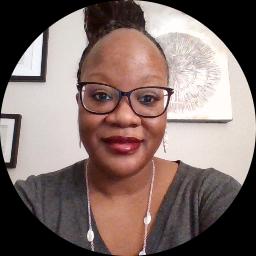
About Brittney
Brittney Jarett is a Licensed Clinical Social Worker (LCSW) based in New York who focuses on helping people manage anxiety, stress, depression, grief, and trauma. She works with adolescents and adults and brings five years of mental health experience to sessions. Brittney aims to create a calm, honest space where people can talk through hard moments and find clearer next steps.
Brittney holds dual master’s degrees in social work and criminal justice administration.
Background and approach
She has spent her career in outpatient mental health settings, supporting people through life transitions and crisis points. That background informs how she watches for practical obstacles that get in the way of daily coping. Her in-session style uses strategies from cognitive behavioral approaches and dialectical behavioral ideas to help people notice patterns and build new skills.
Sessions often include straightforward skill practice, problem-solving, and planning for moments of high stress. The goal is to leave each visit with at least one concrete step to try between meetings. Brittney pays attention to how trauma, loss, and relationship strain can affect thinking and behavior.
She helps people name difficult feelings like guilt and shame and then work toward manageable changes. She also assists with questions about life purpose and recovering from post-traumatic stress. Outside of work she enjoys movies, music, travel, concerts, and bowling.
Those interests inform a down-to-earth approach and a focus on what matters to each person.
Approaches that help with anxiety and trauma online
Evidence-based cognitive behavioral ideas focus on identifying unhelpful thinking and testing new ways of responding. In practice this looks like noticing automatic thoughts, trying small behavioral experiments, and building routines that reduce anxiety and mood swings. These techniques are useful for worries, panic, low mood, and everyday stress.Dialectical behavioral concepts emphasize emotion regulation, distress tolerance, and clearer communication. Sessions can include learning short breathing or grounding practices, planning safe ways to tolerate distress, and rehearsing how to say hard things in relationships. These skills are often helpful after traumatic events or during intense emotional periods.
Finding the right mix of approaches is a collaborative process. The therapist will work with each person to choose methods that fit their goals, comfort level, and day-to-day life. That means trying a few techniques, checking what helps, and adjusting the plan over time.
Online therapy offers practical flexibility in how people connect. Video calls let the therapist and client use visual cues for skill coaching, phone sessions work when bandwidth is limited, live chat is useful for brief check-ins, and text messaging supports between-session feedback and reminders. These options make it easier to fit therapeutic work into a busy schedule and to keep practicing skills between meetings.
Questions people ask
What kinds of concerns does this therapist help with?
What is the therapy style like in sessions?
How much clinical experience does the therapist have?
What credentials and location are listed for this clinician?
Which languages are supported and are international clients seen?
What session formats are offered for online work?
How is cost handled for sessions?
What are the first steps to begin therapy?
What this therapist works with
Most often
- Stress, Anxiety
- Relationship issues
- Trauma and abuse
- Experience
- 5 years
- Licensed
- New York
- Languages
- English
We will earn a commission if you sign up through our link, at no cost to you.