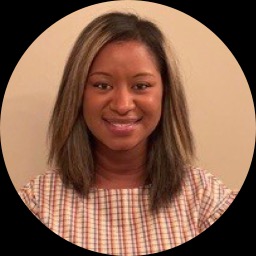
About Brittany
Brittany Bing is a Licensed Professional Counselor with nine years of clinical experience in Georgia. She holds a master’s degree in Counseling and Development and a bachelor’s in Child and Family Development. Brittany has worked in crisis and community settings helping people cope after traumatic events.
She focuses on practical ways to manage stress and anxiety while balancing work and everyday life. Her career includes time at a nonprofit crisis center, college counseling centers, and a state-funded community services board.
Background and approach
Those roles involved supporting adults as they recovered from trauma and dealt with depression, grief, and relationship strain. Many clients were younger or middle-age adults juggling full-time work and healing. Brittany aims to meet people where they are and reduce barriers to care.
She understands obstacles like transportation, cost, and stigma, and she frames therapy to fit each person’s situation. Sessions are collaborative and paced to what the client needs. Her style is warm and practical.
Brittany uses compassion, affirmation, and clear steps to help people understand emotions and change behaviors that get in the way of daily life. She works with issues such as anxiety, depression, parenting stress, career concerns, and coping with life changes. Clients can expect straightforward conversation, goal-focused plans, and tools to try between sessions.
Brittany helps people build routines and coping skills that make small improvements add up over time.
How CBT and online sessions work together
Cognitive Behavioral Therapy or CBT focuses on identifying unhelpful thoughts and testing them with everyday actions. It teaches simple skills to change patterns that feed anxiety, low mood, and stress. Clients practice small behavior changes between sessions to build new habits and reduce symptoms over time.Brittany approaches therapy as a conversation about goals and practical steps. She will work with each person to decide whether CBT methods fit their needs and preferences. That decision is collaborative and can change as therapy progresses so the plan stays useful and realistic.
Online sessions offer flexible ways to meet. Video calls are useful for in-depth conversation and working through exercises together. Phone sessions can be a shorter check-in or a lower-bandwidth option. Live chat and text-based messaging let people share updates, ask quick questions, or get brief guidance when schedules are tight. These options help people fit therapy into busy lives and keep continuity between meetings.
Questions people ask
What concerns does she help with?
What is her therapy style like?
How long has she been practicing?
What are her credentials and where is she based?
Which languages are supported?
Can people outside the U.S. work with her?
What session formats does she use?
How are costs and getting started handled?
What this therapist works with
Most often
- Stress, Anxiety
- Relationship issues
- Trauma and abuse
Also listed
- ADHD
- Career difficulties
- Compassion fatigue
- Coping with life changes
- Depression
- Family conflicts
- Grief
- Intimacy-related issues
- Parenting issues
- Self esteem
Therapeutic approaches
- Experience
- 9 years
- Licensed
- Georgia
- Languages
- English
We will earn a commission if you sign up through our link, at no cost to you.