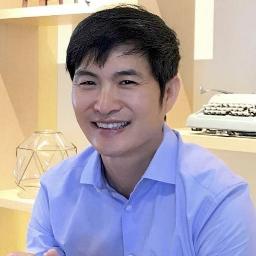
About Anderson
Anderson Yoon is a licensed clinical social worker with 22 years of professional experience. He works with people facing stress, anxiety, trauma and abuse, anger, career strain, and depression. He communicates in English and Korean and practices from New York.
He holds a doctorate from the University of Pennsylvania and a master’s degree from Oxford. He also completed research training at Harvard Medical School and works as a full-time assistant professor on a tenure track.
Background and approach
Those academic roles shape how he stays current with clinical evidence and research findings. In sessions he treats each person as the expert in their own story. He looks for strengths to build on and practical steps that fit everyday life.
He uses evidence-based therapeutic techniques to address panic, mood shifts, social anxiety, and post-traumatic stress through clear, doable strategies. He also focuses on relationship patterns that show up as attachment issues, communication problems, control struggles, and isolation. Career and workplace difficulties are another common focus, with attention to role stress and life purpose concerns.
He helps people talk through guilt, shame, and separation worries while working toward better emotional balance. He encourages people to see starting therapy as a brave step. The first meetings tend to focus on immediate concerns and setting goals.
From there he and the client plan practical steps and check progress together.
Evidence-based approaches for online anxiety care
Anderson uses evidence-based therapeutic techniques to guide sessions in simple, practical ways. One common approach focuses on skills for managing anxiety and panic attacks - learning breathing and grounding exercises, noticing thought patterns, and practicing small behavioral steps to reduce avoidance. This approach helps people regain predictability and calm in daily life.Another approach addresses trauma and post-traumatic stress by helping people process difficult memories and reduce their ongoing impact. Work usually combines careful pacing with coping skills so memories become less disruptive and daily functioning improves. A third focus is on mood and relationship patterns - identifying unhelpful interaction cycles, improving communication, and building self-compassion to reduce guilt and shame.
Choosing the right approach is a collaborative process. The therapist will talk with each person about goals, preferences, and what feels most useful, then adjust methods as progress is made. Clients help shape the plan and review results over time.
Online therapy is offered via video calls, phone sessions, live chat, and text-based messaging to fit different needs. Video is useful for longer sessions and visual cues, phone works when bandwidth is limited, live chat can suit short check-ins, and messaging supports ongoing reflection between sessions. These options make it easier to schedule care around work, family, and daily life.
Questions people ask
What concerns does Anderson help with?
What is his therapeutic style like?
How much experience does he have?
What credentials does he hold and where is he based?
Which languages are used in sessions?
What session formats are available?
How is cost handled?
How do I begin working with him?
What this therapist works with
Most often
- Stress, Anxiety
- Trauma and abuse
- Anger management
Also listed
- Experience
- 22 years
- Licensed
- New York, New Jersey
- Languages
- English, Korean
We will earn a commission if you sign up through our link, at no cost to you.