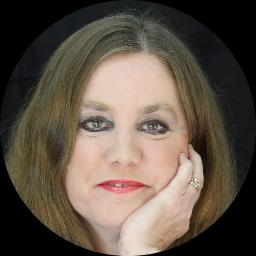
About Amanda
Amanda Meierhoff is a licensed clinical social worker with 15 years of practice in Idaho. She focuses on stress and anxiety, addiction-related concerns, grief, low self-esteem, and depression. Amanda approaches each person with respect, sensitivity, and compassion.
She draws on long experience working with people facing addictive behaviors and related life challenges. Conversations are tailored to the person in front of her, so sessions focus on what matters most to the client.
Background and approach
Amanda aims to help people find practical coping steps and renewed motivation for daily life. Amanda adapts the pace and plan to each person's needs. She helps people build confidence and address patterns that hold them back.
When grief or loss is present, she offers steady support and space to process feelings. Her work style is collaborative. She listens first, then suggests options that fit a person’s goals and everyday life.
Treatment plans are practical and focus on small, achievable changes. Taking the first step can feel hard. Amanda aims to make that step easier by offering clear guidance, steady listening, and practical tools to try between sessions.
She supports people as they work toward a more satisfying, manageable life.
Evidence-based techniques and flexible online care
Amanda uses evidence-based therapeutic techniques aimed at symptom relief and practical change. One approach focuses on teaching coping skills for anxiety and stress, helping people practice simple breath work, grounding strategies, and step-by-step behavioral changes to reduce daily overwhelm. Another common emphasis is on relapse prevention and recovery planning for addictions, which includes building routines, identifying triggers, and strengthening motivation. Choosing a therapeutic approach is a team effort. Amanda works with each person to find the methods that match their goals, needs, and preferences. She listens to what has or hasn’t helped before and adjusts the plan as progress is made. Online sessions make this collaborative work more flexible. Video calls let people have a face-to-face conversation when that is helpful. Phone sessions work well when bandwidth is limited or a quieter audio check-in is needed. Live chat and text messaging are useful for brief check-ins, practicing skills between sessions, or when writing feels easier than talking. These options help fit therapy into busy schedules and different life circumstances.Questions people ask
What concerns does this therapist help with?
How would you describe Amanda's therapeutic style?
What is Amanda's background and experience?
What credentials does she hold and where is she based?
Which languages are supported for sessions?
What session formats are available?
How are costs and billing handled?
How do I begin working with Amanda?
What this therapist works with
Most often
Also listed
- Experience
- 15 years
- Licensed
- Idaho
- Languages
- English
We will earn a commission if you sign up through our link, at no cost to you.