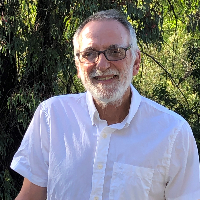
About Alan
Alan Kahn is a licensed counselor who focuses on helping people manage anxiety, stress, grief, and trauma. He speaks plainly and aims to build a real connection so clients feel heard and able to take practical steps forward. He describes the relationship between client and therapist as central to change and centers sessions on honest, down-to-earth conversation.
He uses client-centered methods to follow what matters most to each person. He also draws on existential ideas to help people think about meaning, purpose, and life choices.
Background and approach
In sessions he helps clients rewrite painful life stories so they can move from feeling stuck to feeling more in charge of their path. Alan brings a range of professional experience to his work and currently runs a human services program at a Maryland college where he teaches counseling skills.
He has worked in many settings over decades, including community mental health, hospitals, and correctional settings. This background informs his practical approach to problems like panic, social anxiety, and the fallout from traumatic events. Therapy with him tends to mix problem solving and deeper reflection.
He listens, asks straightforward questions, and helps people try new ways of coping. Sessions aim to reduce immediate distress and also explore larger questions about identity, values, and what matters next. People seeking help for anxiety, panic attacks, relationship strains, or life transitions may find his style direct and supportive.
He offers multiple ways to meet so clients can choose what fits their schedule and comfort.
Approaches that guide online sessions
Client-centered therapy is about following the person’s lead. The therapist listens closely, reflects what he hears, and helps clients identify what they most want to change. This approach is useful for anxiety, relationship struggles, and feeling stuck.Existential therapy focuses on questions of meaning, purpose, and choice. It helps people facing grief, life transitions, or a sense of disconnection by encouraging honest reflection about values and direction.
Finding the right approach is part of the work. The therapist will collaborate with each person to decide which ideas and techniques fit their goals and comfort level. That collaborative process may shift as needs change over time.
Online sessions offer practical flexibility. Video calls let people have a more face-to-face experience while phone sessions can work when bandwidth or being on camera is an issue. Live chat and text-based messaging allow shorter check-ins or ongoing support between longer sessions. These options make it easier to fit therapy into a busy life and to try different formats until one feels right.
Questions people ask
What kinds of concerns does Alan address?
What is his therapeutic style like?
How long has he been practicing?
What credentials and location should I know about?
Can I meet with him if I live outside the United States?
Which session formats does he offer?
How are costs handled?
How do I begin working with him?
What this therapist works with
Also listed
Therapeutic approaches
- Experience
- 3 years
- Licensed
- District of Columbia, Maryland
- Languages
- English
We will earn a commission if you sign up through our link, at no cost to you.