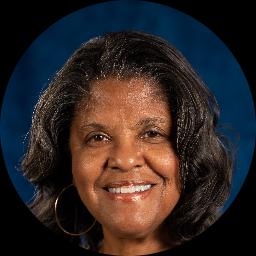
About Victoria
Dr. Victoria Winbush is a licensed independent social worker who helps people manage anxiety, stress, and life changes. She supports those facing relationship strain, parenting challenges, career shifts, and dips in self-esteem or mood.
Her style is warm and direct, aimed at helping someone feel understood and take practical steps forward. She brings five years of clinical experience to sessions and uses techniques drawn from cognitive and solution-focused approaches, along with ideas from Gestalt theory.
Background and approach
In conversation she looks for small, doable changes that fit a person’s daily life. Sessions tend to focus on clear goals, skills to try between meetings, and checking what does or does not work. Dr.
Winbush pays attention to cultural and social differences and treats those factors as part of the work. She encourages open discussion about background and identity to improve communication and build trust. Clients are invited to describe their story, strengths, and priorities so the plan matches their values.
She emphasizes collaboration: the person in therapy sets the goals and she helps guide steps to reach them. Progress is reviewed regularly and methods are adjusted when needed. The overall aim is to help people feel more capable in daily life and better able to handle stressors.
Practice is offered from Ohio and sessions are conducted in English. Sessions may include coaching-style conversations when a client prefers a practical, skill-focused approach.
Evidence-based approaches and online care
Dr. Winbush commonly uses cognitive behavior strategies and solution-focused ideas to help people make concrete changes. Cognitive behavior techniques look at how thoughts, feelings, and actions connect and teach practical tools to shift unhelpful patterns. Solution-focused strategies emphasize small, achievable goals and steps that build momentum toward better coping.She also draws on Gestalt-informed ideas that focus on present-moment awareness and how people experience relationships and situations. These approaches can help with anxiety, stress, and adapting to life changes. Determining which methods to use is a collaborative process - the therapist works with each person to identify goals, try approaches, and adjust based on what feels most helpful.
Online sessions are offered by video calls, phone sessions, live chat, or text-based messaging to increase flexibility. Video is useful for full conversations and skill work, phone can be easier when bandwidth is limited, and messaging or chat can fit quick check-ins or short coaching-style exchanges. These options make it easier to fit therapy into a busy week and to continue progress even when schedules change.
Questions people ask
What concerns does she commonly address?
What is her therapeutic style like?
What kind of experience does she have?
What credentials and location are listed?
Which languages are supported and can she work internationally?
What session formats are available?
How are sessions priced?
How do I begin working with her?
What this therapist works with
Most often
Also listed
- Career difficulties
- Coaching
- Depression
- Family conflicts
- Multicultural concerns
- Parenting issues
- Relationship issues
- Self esteem
- Stress, Anxiety
- Experience
- 5 years
- Licensed
- Ohio
- Languages
- English
We will earn a commission if you sign up through our link, at no cost to you.