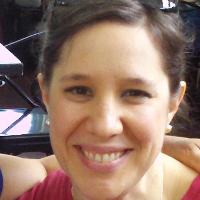
About Sarah
Sarah Stevens is a Licensed Clinical Mental Health Counselor (LCMHC) practicing in North Carolina. She brings 15 years of experience helping adults manage stress, anxiety, depression, grief, trauma, and major life changes. Sarah offers calm, straightforward support and values listening first.
She focuses on making space for people to say what they need to say without judgment. Sarah decided on counseling after benefiting from therapy herself in the 1990s. That personal experience shaped her belief in the value of an objective listener.
Background and approach
She began practicing professionally in 2012 and has worked primarily with individual adults, and occasionally with couples. Over the years she has guided people through relationship strain, parenting stress, career questions, and the effects of loss or abuse. Her approach blends client-focused therapy with several evidence-based techniques.
She draws on cognitive behavior therapy and dialectical behavior ideas to help people notice unhelpful thoughts and build coping skills. Solution-focused work and grief-focused strategies are used when a practical, goal-oriented plan will help most. Sessions are tailored to each person.
Sarah listens to the immediate concern, then helps set small, achievable goals. She aims to help clients use their natural strengths while learning new ways to face anxiety and stress. The tone is supportive and direct, with clear steps to practice between sessions.
People who come for help can expect steady, experienced guidance and a focus on realistic steps. Sarah encourages honest conversation and works side by side with clients to find manageable ways forward.
How Sarah Uses Practical Therapies Online
Sarah uses clear, evidence-based techniques adapted for remote work. Cognitive behavior therapy focuses on spotting and changing unhelpful thinking patterns and learning new coping actions. It helps with anxiety, depression, and worries that get in the way of daily life. Dialectical behavior ideas concentrate on building emotion regulation and distress tolerance skills to manage intense feelings and reduce impulsive reactions.She also draws on solution-focused methods when clients want fast, practical steps. That work narrows the focus to achievable short-term goals and daily changes that add up. Deciding which approach to use is a collaborative process. The therapist and client talk about needs, goals, and preferences and choose techniques that fit together for the person's situation.
Online formats make it simpler to fit therapy into a busy life. Video calls allow a conversation similar to in-person sessions. Phone sessions can be easier when bandwidth is low or a shorter check-in is preferred. Live chat and text-based messaging work well for brief updates, homework check-ins, or when someone wants to write rather than speak. These options give flexibility so therapy can continue around work, parenting, and other commitments.
Questions people ask
What kinds of concerns does she help with?
What is her therapy style like?
What experience does she bring to sessions?
What credentials and location are listed?
Which languages are supported and are international clients accepted?
Which session formats does she offer?
How does payment and cost work?
How do I begin working with her?
What this therapist works with
Most often
- Stress, Anxiety
- Relationship issues
- Family conflicts
Also listed
- Career difficulties
- Coping with life changes
- Depression
- Grief
- Parenting issues
- Self esteem
- Trauma and abuse
- Experience
- 15 years
- Licensed
- North Carolina
- Languages
- English
We will earn a commission if you sign up through our link, at no cost to you.