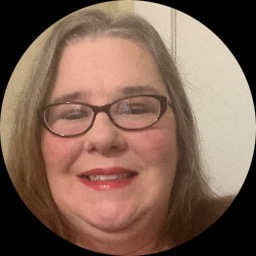
About Rachel
Dr. Rachel Dawkins is a licensed clinical social worker with a doctorate in social work. She draws on nine years of clinical experience to help people manage anxiety, stress, depression, trauma, and relationship concerns.
She works with individuals to identify what feels most overwhelming and creates clear, manageable steps to reduce that burden. Sessions focus on practical skills, breathing and grounding exercises, and developing routines that reduce daily stress. Rachel explains things in plain language and keeps sessions focused and goal-oriented.
Background and approach
Her background includes extensive clinical work with trauma, attachment concerns, and mood disorders. That experience informs how she structures sessions and which techniques she offers. She blends short-term strategies for immediate relief with longer-term tools to rebuild stability.
Therapy typically emphasizes skills you can use between sessions. Rachel helps people build coping plans for anxiety and practice them in real life. She also supports people coping with the ripple effects of trauma and relationship strain.
Clients who want flexibility can choose from several online formats. Rachel guides each person toward the session rhythm and tools that fit their daily life and goals.
How therapeutic approaches translate to online care
Rachel uses evidence-based techniques such as cognitive behavioral approaches and trauma-focused methods. Cognitive behavioral approaches focus on spotting unhelpful thoughts and testing them with small behavioral changes to reduce anxiety and depressive symptoms. Trauma-focused methods concentrate on stabilizing reactions and building skills to manage strong memories or intense triggers.Finding the right approach is collaborative. Rachel works with each person to identify goals and tests methods that match those goals. Together they track what helps and adjust the plan over time so therapy feels relevant and doable.
Online formats include video calls, phone sessions, live chat, and text-based messaging. Video calls allow face-to-face interaction for deeper conversational work, while phone sessions can be easier when bandwidth is limited or a shorter check-in is needed. Live chat and text messaging make it simpler to send quick updates, practice skills between sessions, or keep therapy going when a scheduled call isn't possible. These options help fit therapy into busy days and make it easier to stay consistent with sessions and skill practice.
Questions people ask
What kinds of concerns does Rachel address?
How would you describe the therapy style?
What is her clinical experience?
Where is she based and licensed?
Which languages are supported for sessions?
Can she work with clients outside the United States?
What session formats are available?
How does billing and getting started work?
What this therapist works with
Most often
- Stress, Anxiety
- Relationship issues
- Family conflicts
Also listed
- Experience
- 9 years
- Licensed
- Illinois
- Languages
- English
We will earn a commission if you sign up through our link, at no cost to you.