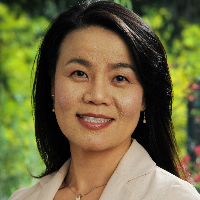
About Maria
Dr. Maria Kim is a marriage and family therapist who brings 15 years of clinical experience to her practice. She holds the LMFT and LMHC credentials and speaks English and Korean.
Her work often centers on anxiety and stress alongside concerns such as parenting, self-esteem, depression, relationships, trauma and abuse, grief, and anger. She uses straightforward, evidence-informed techniques to help people manage difficult feelings. Sessions are collaborative and conversational.
She aims to tailor the pace and focus to each person’s needs rather than follow a rigid script.
Background and approach
Her background includes training in expressive therapies and art therapy, and she has supported people who want to include creative work in counseling. That practical experience gives her a range of ways to help someone slow down, notice patterns, and try new responses to stress and worry. Dr.
Kim describes her style as warm and interactive. She prioritizes respect and compassion and avoids stigmatizing labels. In session she listens, reflects, and offers concrete strategies to reduce anxiety, improve mood, and address relationship strains.
She works with adults in Washington and offers sessions in English and Korean. People who choose to work with her complete a short matching questionnaire and then schedule sessions that fit their needs. Her practice emphasizes steady progress through small, achievable steps.
How therapeutic approaches work online
Dr. Kim draws on expressive and evidence-informed techniques that translate well to online work. Expressive therapies use creative activities to help people name feelings and try new ways of coping; this can be as simple as discussing a drawing or using imagery to work through worry. Cognitive-style techniques focus on identifying unhelpful thinking patterns and practicing small behavior changes to reduce anxiety and improve mood.Choosing the approach is a collaborative process. The therapist and client talk about goals, preferences, and what feels most useful in early sessions. Together they decide whether to include creative exercises, structured cognitive strategies, or a blend that fits the person’s needs and daily life.
Online formats offer practical flexibility. Video calls let people have a conversation that feels most like an in-person visit and are useful for exercises that rely on visual cues. Phone sessions can be easier when video isn’t practical or bandwidth is limited. Live chat and text-based messaging work well for brief check-ins, skill practice between sessions, and people who prefer written communication. These options make it easier to fit therapy into a busy schedule and try different ways of working until a good match is found.
Questions people ask
What kinds of concerns does she help with?
How would you describe her therapeutic style?
What is her clinical background?
Where is she located and licensed?
Which languages are supported during sessions?
What session formats are available online?
How does billing and cost work?
How do I begin working with her?
What this therapist works with
Most often
- Stress, Anxiety
- Parenting issues
- Self esteem
Also listed
- Anger management
- Depression
- Grief
- Relationship issues
- Trauma and abuse
- Experience
- 15 years
- Licensed
- California, Washington
- Languages
- English, Korean
We will earn a commission if you sign up through our link, at no cost to you.