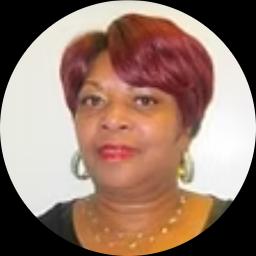
About Loretta
Loretta Young-Wright is a Licensed Clinical Social Worker (LCSW) with 35 years of practice. She brings long experience from child welfare and educational settings into her online therapy work. She focuses on making sessions practical and clear for people dealing with stress and anxiety.
She helps people facing trauma, grief, parenting strain, and low self-esteem. Sessions aim to build coping skills and increase awareness of thoughts and feelings. Conversations are collaborative and grounded in real-life steps clients can try between meetings.
Background and approach
Loretta uses evidence-based therapeutic techniques in ways that fit each person. She often draws on cognitive behavioral approaches and mindfulness tools to address unhelpful thinking and reduce overwhelm. Solution-focused work is used when clients want short-term, goal-oriented plans.
Her style is strengths-based and trauma-informed. She emphasizes respect, cultural responsiveness, and straightforward feedback. People can expect an engaged therapist who listens and helps them find practical options.
Loretta’s experience includes many settings and client presentations, which helps her adapt to different needs. She offers sessions in English and practices from Illinois. Online formats are used to make therapy easier to fit into busy lives.
Evidence-based methods and online options
Many of Loretta’s methods focus on changing unhelpful thoughts and building coping skills. Cognitive behavioral approaches look at how thoughts, feelings, and actions connect, and teach concrete tools to shift thinking patterns and reduce anxiety. Mindfulness-based techniques help people notice sensations and emotions without getting caught up in them, which can lower stress and improve focus.Solution-focused work is used when clients prefer brief, goal-oriented work that maps small steps toward change. These approaches are described in simple terms and tailored to what each person needs. Deciding which techniques to use is a collaborative process - the therapist and client talk through goals, preferences, and what feels most useful, then adjust as progress is made.
Online therapy offers flexible ways to meet. Video calls let people have face-to-face conversations from different locations. Phone sessions are useful when bandwidth is limited or when a shorter check-in is preferred. Live chat and text-based messaging allow for ongoing, written check-ins and brief reflections between sessions. These options make it easier to fit therapy into work, school, and family schedules while keeping focus on practical steps and skills.
Questions people ask
What concerns does she address?
What is her therapeutic style like?
What experience does she bring to therapy?
What credentials and region are listed?
Which languages are supported?
What session formats are available?
How does cost work for sessions?
How do I begin working with her?
What this therapist works with
Most often
Also listed
- Parenting issues
- Self esteem
- Experience
- 35 years
- Licensed
- Illinois
- Languages
- English
We will earn a commission if you sign up through our link, at no cost to you.