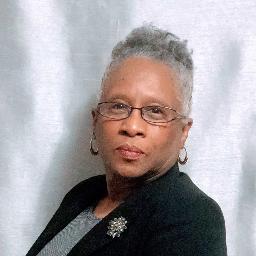
About Lanita
Lanita Carter is a Licensed Professional Counselor (LPC) in Connecticut who helps people facing stress, anxiety, depression, grief, anger, trauma, and major life changes. She aims to create a respectful, nonjudgmental space where clients feel heard. Lanita focuses on building trust so people can begin to feel less overwhelmed and more hopeful.
She uses a straightforward style that mixes encouragement with practical tools. Sessions are collaborative - Lanita listens, asks questions, and offers strategies you can try between meetings.
Background and approach
She uses Cognitive Behavioral Therapy, and adapts techniques to fit each person’s needs and situation. Lanita emphasizes emotional growth and skills people can use day to day. That can mean learning ways to manage anxious thoughts, practicing new coping responses, or finding steps to move through grief.
Progress is treated as steady work rather than a single event. Over five years of practice, she has worked with people dealing with a range of life stressors. Her approach is warm and genuine, focused on helping people make small, useful changes.
She invites people who feel weighed down to take a first step toward change. Her work centers on collaboration and respect. Lanita meets clients where they are and adjusts her approach if something isn’t working.
The goal is practical, sustainable change that fits each person’s life.
How evidence-based techniques translate to online care
Many clients work with Cognitive Behavioral Therapy, which focuses on identifying unhelpful thoughts and testing small behavior changes to reduce anxiety and depression. CBT offers clear tools you can use between sessions to notice thought patterns and try new coping steps.Lanita also integrates other evidence-based therapeutic techniques as they fit the client's needs, tailoring interventions rather than following a one-size-fits-all plan. These approaches aim to help people manage stress reactions, process difficult experiences, and build skills for day-to-day life.
Choosing the right approach is a collaborative process. The therapist will talk with the client about goals, preferences, and what feels most useful. Together they decide which methods to try and adjust the plan over time based on what helps.
Online therapy options include video calls, phone sessions, live chat, and text-based messaging. Video calls allow face-to-face interaction for skill teaching and role practice, while phone sessions can use less bandwidth and suit quick check-ins. Live chat and text messaging are useful for brief updates, reminders, or when writing feels easier than speaking. These formats make it possible to fit therapy into busy schedules and keep contact between appointments.
Questions people ask
What concerns does this therapist help with?
What is the therapist's approach in sessions?
How much clinical experience does she have?
What credentials and location are listed?
Which languages are supported for sessions?
What session formats are available?
How are sessions paid for and what does cost look like?
How do I begin working with this therapist?
What this therapist works with
Most often
Also listed
- Anger management
- Depression
- Grief
- Trauma and abuse
- Experience
- 5 years
- Licensed
- Connecticut
- Languages
- English
We will earn a commission if you sign up through our link, at no cost to you.