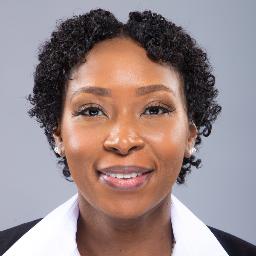
About Lakeasha
Lakeasha Ford is a licensed clinical social worker who helps people manage anxiety, stress, depression, grief, anger, and major life changes. She offers steady support for the hard days and practical steps for moving forward. Her style is warm and straightforward, aimed at people who want clear tools and honest conversation.
She focuses on everyday problems like communication breakdowns, caregiver stress, and feeling stuck after illness or loss. She also helps people facing addiction, guilt, shame, and questions about life purpose.
Background and approach
Sessions are aimed at breaking problems into small, manageable steps and building routines that fit day-to-day life. Her practice uses evidence-based therapeutic techniques to guide conversations and skill building. That can include ways to handle strong emotions, plan for stressful situations, and shift unhelpful thought patterns.
Lakeasha keeps recommendations practical so clients can try them between sessions. With three years of experience as an LCSW - Licensed Clinical Social Worker, she draws on a range of clinical strategies rather than one fixed method. She works with people living in Alabama and communicates in plain, respectful language.
The goal is steady progress rather than sudden change. Clients can expect collaborative care that centers their priorities. Lakeasha frames therapy as a partnership - she listens, offers options, and helps people choose what fits their life.
She aims to help clients feel more capable of handling everyday stress and anxiety.
How evidence-based techniques translate to online care
Evidence-based therapeutic techniques focus on practical strategies that people can use day to day. One common approach teaches skills for managing strong emotions and stress - it helps with panic, anger, and overwhelming feelings by building step-by-step coping plans. Another approach targets unhelpful thinking patterns and aims to shift negative thoughts into more balanced perspectives, which can ease anxiety and low mood.Finding the right approach is part of the work. The therapist will collaborate with each person to pick methods that fit their goals and preferences. That might mean trying a few techniques, checking what helps, and adjusting plans as progress is tracked together.
Online therapy offers flexible ways to meet. Video calls are close to in-person sessions and work well for deeper conversations. Phone sessions use less bandwidth and can fit into a work break. Live chat and text-based messaging are useful for quick check-ins, short reflections, or when someone prefers writing over talking. These options make it easier to keep therapy consistent around a busy life.
Questions people ask
What concerns does this therapist address?
What is her therapeutic style like?
What kind of experience does she have?
Where is she licensed and located?
Which languages are supported?
What session formats are available?
How are sessions priced?
How do I begin working with her?
What this therapist works with
Most often
- Stress, Anxiety
- Grief
- Anger management
Also listed
- Cancer
- Caregiver issues and stress
- Communication problems
- Control issues
- Coping with life changes
- Depression
- Drug and alcohol addiction
- Emptiness
- Family problems
- Guilt and shame
- Life purpose
- Experience
- 3 years
- Licensed
- Alabama, Tennessee, Texas, North Carolina
- Languages
- English
We will earn a commission if you sign up through our link, at no cost to you.