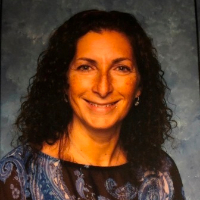
About Jacqueline
Jacqueline Jones is a Licensed Clinical Social Worker with 26 years of practice in New York. She uses straightforward, evidence-based methods to help people manage stress and anxiety. Jacqueline speaks plainly with clients and focuses on practical steps they can use day to day.
She has worked in inpatient psychiatric hospitals, hospital emergency rooms, schools, and independent practice. Those settings gave her wide exposure to many challenges, from mood disorders and depression to relationship and parenting struggles.
Background and approach
Jacqueline has experience supporting people facing bipolar disorder, ADHD, and trauma-related concerns. Her style is collaborative. She helps each person set clear goals and builds a plan to reach them.
Sessions center on skills and small changes that improve relationships at home, at work, and at school. Jacqueline often helps clients identify daily strategies they can use right away. She emphasizes strengths and practical routines.
The goal is steady progress toward a fuller, more satisfying life. She encourages anyone feeling overwhelmed to take the first step. Jacqueline guides clients through a focused, goal-oriented process while adjusting plans as needs change.
How Jacqueline blends clear approaches with online care
Jacqueline uses evidence-based techniques that focus on practical skills and problem solving. One common approach teaches coping strategies and behavioral changes to reduce anxiety and manage mood swings; it helps people break large problems into smaller, doable steps. Another approach emphasizes strengthening communication and relationship skills so people can improve interactions at work, home, or school; it is useful when conflicts or parenting stress are a concern.Finding the right approach is part of the work. Jacqueline partners with each person to identify goals and tries methods that match those goals and preferences. She adjusts techniques over time, checking in about what is helping and what needs to change so the plan stays useful and realistic.
Online therapy options include video calls, phone sessions, live chat, and text-based messaging to meet different scheduling and communication needs. Video sessions allow face-to-face conversation for in-depth work. Phone sessions can be a good choice when bandwidth is limited or a simpler check-in is needed. Live chat and texting support shorter check-ins, quick skill practice, and flexibility around busy days. These formats make it easier to fit therapy into a workday, caregiving responsibilities, or school schedule while keeping care consistent.
Questions people ask
What kinds of problems does she address?
What is her therapy style like?
How much clinical experience does she have?
What credential does she hold and where is she based?
Which languages are offered for sessions?
What session formats are available remotely?
How are sessions paid for?
How do I begin a therapy plan with her?
What this therapist works with
Most often
- Stress, Anxiety
- Family conflicts
- Parenting issues
Also listed
- Anger management
- Bipolar disorder
- Career difficulties
- Depression
- Relationship issues
- Self esteem
- Experience
- 26 years
- Licensed
- New York
- Languages
- English
We will earn a commission if you sign up through our link, at no cost to you.