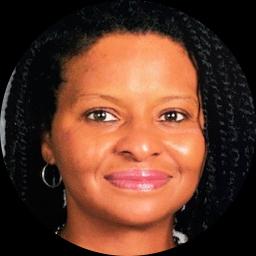
About Felicia
Felicia Mackins is a Licensed Professional Counselor (LPC) based in South Carolina who helps people facing stress, anxiety, grief, low self-esteem, depression, and ADHD. She speaks English and brings three years of professional practice to each session. Her approach is straightforward and focused on practical ways to make day-to-day life easier.
Felicia creates a calm space where clients can talk through what feels overwhelming. She listens closely and works with each person to set simple, achievable goals.
Background and approach
Sessions blend conversation with hands-on strategies so clients leave with tools they can try between meetings. Her style is warm and direct. She aims to make sessions feel useful from the start, offering coping skills, problem-solving steps, and ways to manage symptoms as they arise.
Felicia tends to focus on what will help a person function better right now while also addressing longer-term patterns. Felicia has experience across a range of concerns, and she adapts her approach to the needs of the individual. She emphasizes collaboration and clear next steps rather than long lists of theory.
People who want practical strategies and regular check-ins often find this style helpful. To begin, she asks clients to identify a few priorities and then builds a plan together. Her work is aimed at steady progress through manageable changes.
That makes therapy feel less overwhelming and more like a series of small, doable steps toward feeling better.
Practical approaches for online anxiety care
Felicia uses evidence-based therapeutic techniques that focus on clear, usable tools. One approach emphasizes teaching concrete coping skills for managing anxiety and stress such as breathing exercises, behavioral strategies, and step-by-step plans to reduce overwhelm. These tools aim to help people stabilize difficult moments and build confidence in handling everyday triggers.Another common focus is skill-building for attention and organization related to ADHD. This involves breaking tasks into smaller steps, creating routines, and using simple planning strategies to reduce missed deadlines and daily chaos. These techniques help people feel more in control of their time and responsibilities.
Finding the right approach is collaborative. The therapist will discuss goals, try a few strategies, and adjust based on what feels most helpful. Clients and the therapist work together to pick methods that fit the person’s needs and preferences rather than using a one-size-fits-all plan.
Online sessions can take place by video call, phone, live chat, or text-based messaging, offering flexibility for different schedules. Video sessions allow face-to-face conversation when more personal interaction is helpful. Phone calls can work when bandwidth is limited or when someone prefers not to be on camera. Chat and messaging are useful for brief check-ins, progress notes, or daily support between longer sessions. This mix of formats makes it easier to keep therapy consistent while fitting into a busy life.
Questions people ask
What concerns does she help with?
How would you describe her therapy style?
What is her professional background?
Where is she licensed and based?
Which languages are sessions offered in?
What session formats are available?
How does payment work and what does it cost?
How do I get started with therapy?
What this therapist works with
Most often
Also listed
- Experience
- 3 years
- Licensed
- South Carolina
- Languages
- English
We will earn a commission if you sign up through our link, at no cost to you.