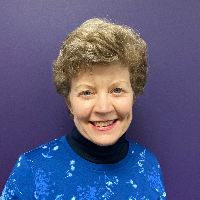
About Elizabeth
Elizabeth Dick is a licensed clinical social worker (LCSW) based in Tennessee who focuses on anxiety, stress, grief, and life transitions. She speaks English and works with people dealing with depression, relationship strain, parenting stress, and compassion fatigue. Her tone is warm and open, and she aims to help clients find practical ways forward.
With three years of practice, she helps people navigate big changes and crises of meaning. She has experience supporting people facing infertility and bipolar disorder, and she talks through spiritual concerns alongside emotional symptoms.
Background and approach
Sessions center on what the client brings and on finding workable steps for daily life. Her style combines narrative work, internal family systems, solution-focused techniques, client-centered care, and cognitive behavioral approaches. That mix lets her adapt to each person's needs and preferences.
Conversations can look different depending on whether someone wants to focus on thoughts, relationships, or personal stories. Elizabeth emphasizes collaboration. She works together with each person to uncover strengths and try small, measurable changes that build over time.
She aims to make sessions feel like a steady, practical space for people to test new ways of coping. Clients considering therapy will find an inviting, nonjudgmental approach that balances listening with active problem solving. Elizabeth welcomes the chance to accompany people through grief, anxiety, and the adjustments that follow major life events.
How therapeutic approaches translate to online work
Elizabeth blends a few evidence-based techniques into online sessions so people can address anxiety and life transitions in practical ways. Narrative approaches look at the stories a person tells about themselves and their problems, then help reframe those stories to make change feel possible. Internal family systems focuses on different parts of a person's inner experience, helping them understand conflicting feelings and calm reactive parts.Solution-focused and client-centered work emphasize short-term, achievable goals. These methods help identify small steps that create momentum, which can be useful for managing stress, parenting struggles, or grief. Cognitive behavioral ideas help people notice unhelpful thoughts and try new patterns of thinking and behavior to reduce anxiety symptoms.
Finding the right mix of approaches is part of the work together. The therapist will ask about goals, preferences, and what has or hasn't helped in the past, and then tailor sessions collaboratively so techniques fit the person's life and temperament.
Online formats offered include video calls, phone sessions, live chat, and text-based messaging. Video sessions allow face-to-face conversation and visual cues. Phone sessions are useful when bandwidth is limited or when a client prefers not to be on camera. Live chat and text messaging work well for brief check-ins, ongoing support between sessions, or people who find typing easier than speaking. These options make it easier to fit therapy into busy schedules and different time zones.
Questions people ask
What concerns does Elizabeth commonly address?
How would you describe the therapy style?
What background and experience does she bring?
What are her credentials and where is she located?
Are sessions available in other languages or internationally?
Which session formats are offered?
How is cost handled for sessions?
How do I begin working with her?
What this therapist works with
Most often
- Stress, Anxiety
- Relationship issues
- Family conflicts
Also listed
- Anger management
- Bipolar disorder
- Compassion fatigue
- Coping with life changes
- Depression
- Grief
- Parenting issues
- Self esteem
- Experience
- 3 years
- Licensed
- Tennessee
- Languages
- English
We will earn a commission if you sign up through our link, at no cost to you.