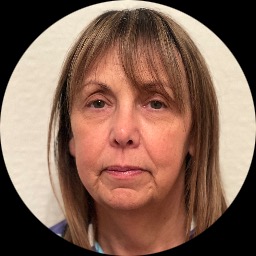
About Deborah
Deborah McNeilis is a counsellor based in the United Kingdom who helps people manage stress, anxiety and low self-esteem. She also supports people facing life changes and challenges such as loneliness, money worries, social anxiety and issues common to young adults. Deborah uses straightforward, person-focused conversations to help clients make small, steady changes.
She works in a warm and interactive way. Sessions are built around what each person says matters to them.
Background and approach
Deborah listens without judgement and mirrors back what she hears so clients can notice patterns and make different choices. Her main approach is Client-Centred Therapy, which means the client leads the pace and topics, while the counsellor offers empathy and practical reflection. This approach can help with anxious thoughts, low confidence and navigating life transitions.
Deborah holds BACP, the British Association for Counselling and Psychotherapy, and has three years of experience. Her background has given her practice in talking through everyday stressors and the knock-on effects they can have on motivation and self-worth. People who choose Deborah can expect a compassionate, respectful space where the conversation is shaped by their goals.
She aims to help clients feel understood, untangle unhelpful thinking, and find realistic next steps that fit their life.
Client-centred care delivered online
Client-Centred Therapy focuses on the client’s own experience and pace. The counsellor reflects what is said, offers empathy and follows the client’s lead to help clarify feelings and choices. This approach is useful for anxiety, low self-esteem and coping with life changes.Sessions online are collaborative. The therapist will discuss which ways of working might suit your goals and preferences. Together you will try approaches and adapt them if something does not fit, so the plan evolves with your needs.
Online sessions can be arranged as video calls, phone sessions, live chat or text-based messaging. Video calls are useful when non-verbal cues and a face-to-face feel are helpful. Phone sessions can be easier when bandwidth is limited or when a shorter check-in is needed. Live chat and text messaging work well for ongoing contact, quick reflections between sessions, or when writing helps you organise thoughts.
These options make it easier to fit therapy around work, study or family commitments and to keep continuity if plans change. Registered or accredited professionals can offer the same client-centred conversation online as they do in person, adapting tools and pacing to suit each person.
Questions people ask
What concerns does she support?
How would you describe her therapy style?
What experience does she bring?
What credentials and location apply?
Which languages are supported and can international clients join?
What session formats are available?
How does payment and cost work?
How do I begin working with her?
What this therapist works with
Also listed
Therapeutic approaches
- Experience
- 3 years
- Licensed
- Languages
- English
We will earn a commission if you sign up through our link, at no cost to you.