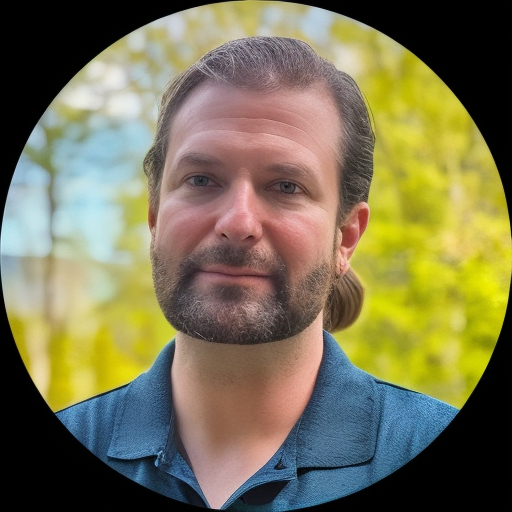
About David
David Rampone is a Licensed Independent Clinical Social Worker (LICSW) who helps people navigate stress, anxiety, trauma, anger, low self-esteem, and life transitions. He focuses on practical steps and clear conversation to help clients feel more in control. His approach is collaborative and straightforward, aimed at making everyday coping easier.
He creates an open space where people can talk through what feels most urgent. Sessions emphasize understanding current patterns and trying small, manageable changes.
Background and approach
David helps clients build skills that can be used between meetings, such as breathing or grounding strategies and simple problem-solving techniques. With three years of clinical experience, he brings a calm, steady style to each session. He listens for what is working and what isn’t, then suggests ways to shift unhelpful habits.
The work tends to be pragmatic and goal-focused while still allowing time to process difficult experiences. David aims to make therapy feel like a conversation rather than a lecture. He partners with each person to set realistic steps and track progress.
When trauma or abuse is part of the story, he moves at a pace the person finds tolerable and focuses on safety and stabilization first. People who choose him can expect clear communication about goals, options, and next steps. He supports practical problem solving and emotional coping in equal measure.
His Vermont practice centers on making therapy useful for everyday life.
Therapeutic approaches and how they fit online
David uses evidence-based therapeutic techniques that focus on practical skills and clear conversation. One common approach is skill-based work that teaches breathing, grounding, and problem-solving strategies to manage anxiety and stress. These tools are brief and easy to practice between sessions to reduce symptoms and improve daily functioning.Another frequent element is trauma-informed care that emphasizes safety and stabilization first. This approach helps people regain a sense of control after difficult experiences by pacing work to what the person can handle and building coping tools before addressing deeper material.
Finding the right approach is a collaborative process. The therapist will listen to the client's needs, goals, and preferences, then suggest methods to try. Progress is reviewed together and adjustments are made based on what feels most helpful to the person.
Online sessions are offered by video calls, phone sessions, live chat, and text-based messaging to provide flexibility. Video calls are useful for a more traditional conversation with visual cues, phone sessions can fit into a work break or require less bandwidth, and chat or text can work for short check-ins or written reflection. These options make it easier to keep regular contact and practice new skills between meetings.
Questions people ask
What concerns does David focus on?
What is his therapy style like?
How much clinical experience does he have?
What credentials and region are listed?
Which languages are offered and can international clients work together?
What session formats are available?
How does payment and cost work?
How do I begin working with him?
What this therapist works with
Most often
- Stress, Anxiety
- Trauma and abuse
- Anger management
Also listed
- Experience
- 3 years
- Licensed
- Vermont
- Languages
- English
We will earn a commission if you sign up through our link, at no cost to you.