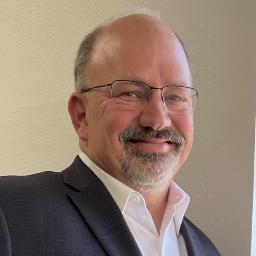
About Clifford
Clifford "Cliff" Robertson is a licensed professional counselor who helps people dealing with stress, anxiety, depression, grief, relationship strain, and the effects of trauma and abuse. He practices in Texas and speaks English. He aims to make therapy approachable and straightforward for people feeling overwhelmed or stuck.
Cliff uses evidence-based therapeutic techniques and adapts them to each person's needs. Sessions focus on practical steps clients can use between meetings. He works with people who want clear tools and steady support rather than jargon-filled explanations.
Background and approach
Cliff describes his style as compassionate and faith-informed, offering care that respects clients' values and beliefs. He emphasizes collaboration, asking what goals matter most and shaping sessions around those priorities. The result is a plan that fits daily life and personal convictions.
In session he helps clients build resilience and better understand their reactions. That can include learning coping strategies for anxiety, ways to process grief, or tools to manage stress. He encourages small, steady changes that add up over time.
Cliff brings five years of clinical experience as an LPC - Licensed Professional Counselor. He aims to walk alongside people through difficult moments while helping them regain a sense of control and hope. If someone prefers a straightforward, values-aware approach, his practice may be a good match.
How evidence-based approaches work online
Cliff draws on evidence-based therapeutic techniques that help people manage anxiety and related concerns. One approach focuses on practical coping skills - teaching breathing, grounding, and behavior changes that reduce day-to-day distress and improve calm. These techniques are useful for stress, panic, and ongoing worry.Another approach centers on processing difficult experiences in manageable steps. This helps people work through grief, trauma responses, or painful relationship patterns by naming emotions and practicing new ways of responding. Both approaches emphasize clear, step-by-step practices a person can try between sessions.
Choosing the right method is a collaborative process. Cliff will talk with each client about their goals, preferences, and what feels most helpful. Together they try approaches and adjust the plan based on what actually helps the client make progress.
Online formats include video calls, phone sessions, live chat, and text-based messaging, which make therapy more flexible. Video sessions let people use visual cues and longer conversations. Phone sessions can be easier when bandwidth is limited or a shorter check-in is needed. Live chat and messaging suit quick questions, brief reflections, or ongoing support between meetings. These options let people fit therapy into busy schedules and keep consistent momentum.
Questions people ask
What concerns does this therapist help with?
What is the therapist's general approach in sessions?
How much clinical experience does he have?
What credentials and location should I know about?
Which languages are offered and can international clients join?
What session formats are available?
How does pricing work for therapy sessions?
How do I begin if I want to work with this therapist?
What this therapist works with
Most often
- Stress, Anxiety
- Relationship issues
- Trauma and abuse
Also listed
- Experience
- 5 years
- Licensed
- Texas
- Languages
- English
We will earn a commission if you sign up through our link, at no cost to you.