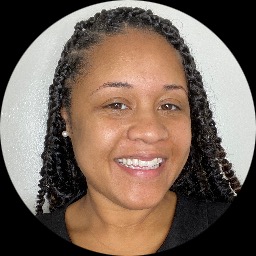
About Brittany
Brittany Livingston is a Maryland-based clinician who helps people manage stress, anxiety, low self-esteem, depression, and life transitions. She also offers support around motivation, confidence, executive coaching, and finding life purpose. Her tone is direct and encouraging for someone taking the first step toward help.
She keeps sessions straightforward and conversational. Clients can expect a space to talk through thoughts and feelings without judgment. She aims to be practical, helping people build coping skills they can use between sessions.
Background and approach
Brittany brings three years of professional experience to her work and holds an MD and the LCSW-C credential. That combination shapes how she blends clinical perspectives with coaching goals. She uses that background to notice patterns and offer concrete strategies.
Sessions often focus on small, doable changes. Brittany may help a client set clear steps for changing daily routines, improving self-talk, or handling anxiety in specific moments. She emphasizes action as well as reflection so progress feels real and measurable.
People seeking help with life purpose or self-love will find conversations aimed at values and practical next steps. Brittany encourages curiosity about what matters most and helps clients reconnect to their priorities. Her approach is collaborative and centered on moving forward one step at a time.
Approaches that guide online sessions
Evidence-based techniques are used to help with anxiety and life transitions. One common focus is skills-based coaching that breaks larger goals into small, manageable steps; this helps with motivation, executive functioning, and building confidence by creating clear actions to try between sessions. Another emphasis is on skills for managing anxiety and stress, such as short strategies to calm the body and change unhelpful thought patterns, which can reduce overwhelm in day-to-day moments.Finding the best approach is a collaborative process. The therapist will work with each person to identify goals and preferences, then adjust techniques as needed. That means trying interventions, checking what helps, and shifting course when something does not fit the person's needs or lifestyle.
Online formats support practical access to therapy. Video calls are useful for face-to-face conversation and working through exercises together. Phone sessions can be a good option when bandwidth is limited or when someone prefers not to be on camera. Live chat and text-based messaging allow for brief check-ins, real-time coaching, and flexible communication between scheduled meetings. These options make it easier to fit therapy into a busy schedule and keep momentum as life changes occur.
Questions people ask
What concerns does she address?
How would you describe her therapeutic style?
What is her professional background?
What credentials and location are listed?
Which languages are sessions offered in?
What session formats are available?
How does pricing work?
How do I begin working with her?
What this therapist works with
Most often
Also listed
- Experience
- 3 years
- Licensed
- Maryland
- Languages
- English
We will earn a commission if you sign up through our link, at no cost to you.