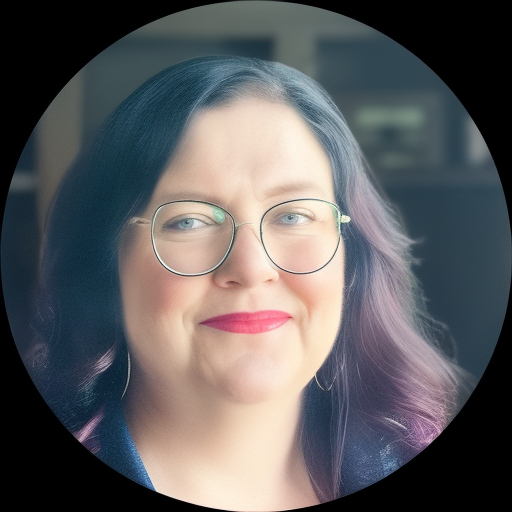
About Amanda
Amanda Bruns is a Licensed Professional Counselor and Licensed Professional Clinical Counselor with 12 years of experience. She focuses on anxiety, stress, depression, grief, trauma and abuse, and relationship concerns. Amanda uses a calm, collaborative style to help people who are feeling overwhelmed or stuck.
Her sessions are grounded in compassion and curiosity. She listens for what matters most and adapts her approach to each person's needs. Amanda helps people name painful patterns, practice new ways of coping, and set small goals that fit their life.
Background and approach
She has worked with a range of concerns related to emotional regulation, relational wounds, and life transitions. That experience helps her recognize common themes like guilt, shame, and social anxiety. Amanda draws on evidence-based therapeutic techniques to guide practical steps forward.
In sessions she keeps language simple and concrete. People can expect a mix of talking, problem-solving, and skills practice. Amanda supports pacing that feels manageable so progress builds steadily.
She provides care to people in Minnesota and holds LPC and LPCC credentials. Sessions can be scheduled in a way that fits each person's routine, and Amanda helps clients figure out the next steps when they begin therapy.
How evidence-based techniques translate to online sessions
Amanda uses widely recognized, evidence-based therapeutic techniques that focus on practical change. One approach involves teaching coping skills for anxiety and stress such as breathing, grounding, and gradual exposure work to reduce avoidance. Another approach centers on processing relational wounds and trauma by helping people make sense of painful experiences and practice healthier ways of relating to themselves and others.Choosing the right approach is a collaborative process. The therapist and client discuss goals, preferences, and what feels most useful. Amanda adjusts methods over time so the plan fits the person rather than forcing a single method on everyone.
Online therapy options include video calls, phone sessions, live chat, or text-based messaging. Video calls are useful for face-to-face conversation and exercises that benefit from visual cues. Phone sessions can be easier when bandwidth is limited or when someone prefers not to be on camera. Live chat and text-based messaging work well for brief check-ins, skills practice between sessions, and fitting therapy into a busy day. These formats provide flexibility for scheduling and make it easier to keep consistent progress.
Questions people ask
What kinds of problems does this therapist help with?
What is the general style of therapy like?
How much experience does she have?
What credentials and location are listed?
In which languages are sessions offered?
What session formats are available?
How are costs handled for sessions?
How does someone start therapy here?
What this therapist works with
Most often
- Stress, Anxiety
- Relationship issues
- Trauma and abuse
- Experience
- 12 years
- Licensed
- Minnesota, Arizona
- Languages
- English
We will earn a commission if you sign up through our link, at no cost to you.